
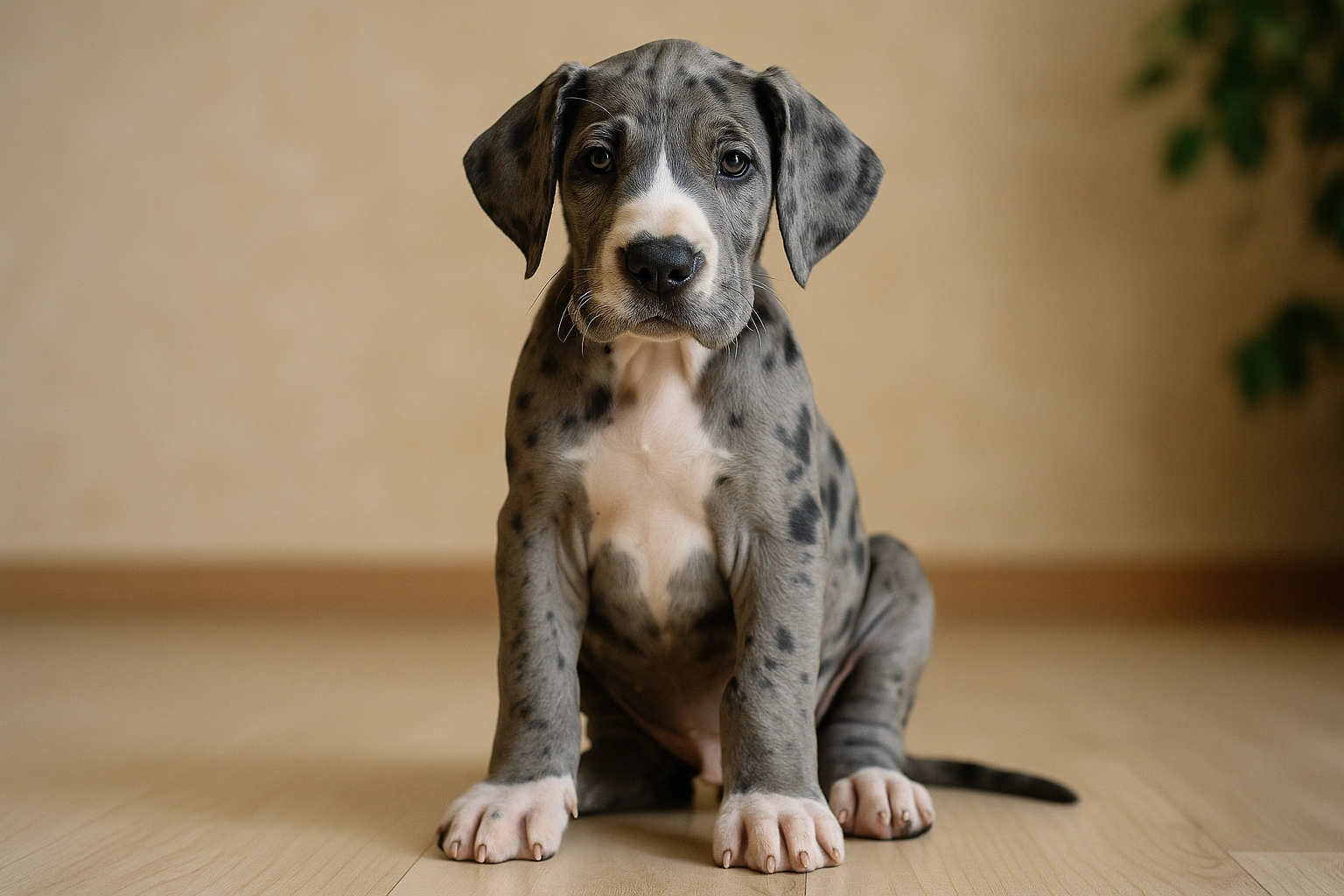
Thinking about bringing home a gentle giant in a tiny package? Great Dane puppies are famous for their sweet nature and sky-high legs, but there is more to these big-hearted pups than first meets the eye. Whether you are browsing great dane houston puppies or just curious about the breed, you are in the right place.
In this beginner friendly list, we will walk through ten must-know facts before you commit. You will learn how fast they grow, how much space they need, what to expect from their temperament, and the training basics that make life easier. We will cover health essentials, vet visits and vaccines, feeding tips for big breeds, and how to balance exercise with joint safety. You will also get grooming pointers, socialization ideas, and a simple budget snapshot so you can plan with confidence.
By the end, you will know if a Great Dane puppy fits your home and lifestyle, and what steps to take next, from finding a responsible breeder or rescue to setting up your space for your new best friend.
The Gentle Giant’s Health
1. Prioritize the big four screenings
Great Danes thrive when their hearts, thyroids, hips, and eyes get routine checkups. For the heart, ask your vet for a pro-BNP blood test and an echocardiogram to screen for dilated cardiomyopathy. A full thyroid panel helps catch hypothyroidism early, which can look like low energy or coat issues. Hip radiographs and annual eye exams by a veterinary ophthalmologist let you plan joint care and spot problems while vision is still normal. Set a baseline across all four areas around age two, then follow a repeat schedule that fits your dog’s needs.
2. Plan for a 7 to 10 year lifespan, and stack the deck for vitality
These gentle giants average 7 to 10 years, so little habits matter. Early screening, lean body condition, and smart nutrition can extend healthy years. Many owners see benefits from thoughtfully balanced raw feeding, where adequate protein builds muscle and fats support energy and a glossy coat. Grass-fed organ meats add omega-3s, and venison offers low sodium plus taurine that supports cardiac health. For background on common risks and care priorities, see the AKC’s overview of Great Dane life span and health issues.
3. Re-test every 2 to 3 years, and monitor day to day
Health results in young adults can change, so schedule heart and thyroid evaluations every 2 to 3 years, with periodic hip and eye rechecks. Track resting heart and breathing rates, appetite, weight, and exercise tolerance; a new cough, fainting spell, or quick fatigue means call your vet. Protect joints with controlled exercise on soft ground and keep your Dane trim. Learn bloat prevention, feed two to three smaller meals, use slow bowls, and avoid hard play for 60 minutes after eating. If you are considering great dane houston puppies, ask breeders for current test results, proof of re-testing, and clear care plans.
Importance of Ethical Breeding
1. Health, temperament, and lifespan come first
[Ethical breeding](https://draggin.net/top-great-dane-breeders/) starts long before puppies are born, with parents selected for sound structure, stable temperaments, and clean health lines. Great Danes average 7 to 10 years, so breeders work to push that curve by testing hips and elbows, screening eyes, and doing advanced cardiac evaluations. Calm, people loving temperaments are nurtured through Early Neurological Stimulation and structured socialization, which helps puppies handle real life with confidence. Action step: ask to see OFA style clearances or cardiology reports, meet at least one parent when possible, and request a written socialization plan and temperament notes for each puppy.
2. Natural rearing cuts unnecessary chemicals and drugs
Natural rearing favors clean nutrition and minimal interventions, which supports resilient immune systems. Many Danes thrive on thoughtfully balanced raw plans that emphasize protein for muscle development, healthy fats for energy and a glossy coat, and grass fed organ meats for omega 3s. Venison can be a smart rotation protein, since it is naturally low in sodium and rich in taurine that supports cardiac health. Ask the breeder for a sample menu, safe handling instructions, and a step by step transition guide; also confirm parasite control protocols, indoor raising as family members, and avoidance of grain free diets that have been linked with heart concerns.
3. A real world example of best practices in Houston
If you are searching for great dane houston puppies, review how Doberman & Great Dane Puppies Houston | 6-Year Guarantee sets the standard. This limited breeding program keeps quality high, pairs fully tested parents, and raises litters with Puppy Culture to build confident, biddable companions. Puppies go home with extensive guidance and a 6 year health guarantee that underscores a commitment to longevity and soundness. For details on protocols and current litters, see Great Dane Puppies Houston-Draggin Great Danes, then request copies of test results and the guarantee before placing a deposit.
Training Your Great Dane
Force-free foundations for Great Dane Houston puppies
- Build trust with gentle structure. Start day one with short, upbeat sessions that last 3 to 5 minutes, three times a day. Focus on name recognition, recall games in a hallway, loose-leash walking around the living room, and calm crate entries. Pair every new experience with treats and praise, and keep socialization under threshold so your puppy stays curious, not overwhelmed. Gentle handling exercises, touching paws, ears, and collar, make vet visits and grooming easy later. For a step by step overview of force-free basics, see this complete Great Dane training guide.
- Trade corrections for patience and clarity. Great Danes are sensitive, so harsh leash pops, alpha rolls, or shock can create shutdown, fear, and avoidance. Instead, cue once, wait two to three seconds, then help with a lure or reset the picture, for example step closer to your puppy before asking for sit. Celebrate small wins and use many easy reps, most dogs need dozens of repetitions before a behavior is reliable. If frustration rises, lower the difficulty or shorten the session. Milestones and timelines in this AKC Great Dane puppy guide can help you set age appropriate goals.
- Make positive reinforcement your default. Pick a marker word, Yes, or a clicker, and pay the behaviors you want, four to eight rewards per minute when teaching something new. Use tiny, soft treats and toy play to keep motivation high, then fade to real life rewards like couch time, car rides, and greeting friends. Capture calm, reward four paws on the floor, and train practical cues, place, settle, drop, wait. Rotate environments to generalize skills, yard, sidewalk, pet friendly store, at quiet times first. Learn why positive, non aversive methods strengthen bonds in this positive reinforcement overview.
Dietary Needs of Great Danes
- Keep protein moderate for giant-breed growth. Great Danes thrive on diets with protein under 23 percent once mature, which helps manage energy density and steady development. In puppies, control protein and prioritize mineral balance, since higher protein shows no skeletal advantage in Dane studies. Target about 22 percent protein, 12 to 16 percent fat, and a calcium to phosphorus ratio near 1.2 to 1. For ranges and research, see Best Dog Food for Great Danes 2026 and Growth and Skeletal Development in Great Dane Pups.
- Consider natural rearing and balanced raw options. Raw feeding is rising because a well balanced mix can support coat gloss, lean muscle, and dental health. Use a simple template, 70 to 80 percent muscle, 10 percent edible bone, and 10 percent organs with half as liver. For puppies, start around 8 to 10 percent of body weight daily, adjust to keep a lean outline, and transition over 7 to 10 days. Venison is naturally low in sodium and rich in taurine, and grass fed organs add omega 3s, both useful for heart health. Step by step help is in Great Dane Raw Food Diet: Feeding Guide, Recipes & Benefits.
- Feed for lifelong health in a short lived giant. Solid nutrition protects joints, heart, and digestion during rapid growth and adulthood, key for a breed that averages 7 to 10 years. Split calories into two or three meals, use slow feeders if your dog bolts food, and plan quiet time before and after meals to reduce bloat risk. Avoid grain free formulas unless medically indicated, recent guidance links them with potential heart issues in large breeds. Keep your Great Dane Houston puppies and adults lean, targeting a body condition score of 4 to 5 out of 9, and track monthly weights.
Ensuring Longevity Through Care
1. Schedule regular vet visits and monitor smartly
Great Danes grow rapidly and, with an average lifespan of 7 to 10 years, benefit enormously from proactive care. For puppies, plan checkups every 3 to 4 weeks until about 16 weeks to track growth curves, complete vaccinations, and screen for parasites. Adults do best with yearly exams that include weight and body condition scoring, dental checks, and baseline lab work as your vet advises. Around age 7, shift to visits every 6 months to catch arthritis, kidney changes, or early cardiac issues before they progress. Keep a simple home log of appetite, stool quality, energy, and gait, and weigh monthly to spot trends. Dogs receiving routine veterinary care are 30 percent less likely to develop chronic conditions, according to these science-backed longevity tips.
2. Match exercise to a giant body and mellow energy
Puppies need short, low-impact play on soft surfaces, two to three times daily, and should avoid long runs, jumping, stairs, or repetitive fetch to protect growing joints. For adults, aim for 45 to 60 minutes of moderate activity split across the day, for example two 20 to 30 minute leash walks plus a 10 minute training or scent game. Off leash time should be in a secure, fenced area, and mental enrichment like nose work or puzzle feeders helps meet needs without pounding the joints. Seniors thrive on leisurely walks of 15 to 30 minutes and swimming, which preserves muscle without strain. These habits align with AKC expert advice on keeping dogs youthful.
3. Apply Draggin.net longevity guidelines at home
Draggin.net equips families with a head start through comprehensive health testing, a 6 year health guarantee, and natural rearing guidance tailored to Great Danes. Build on that foundation with a fresh, whole food plan that emphasizes quality protein and healthy fats, including grass fed organ meats for omega 3s that support skin, brain, and joint health. Venison is a smart option, naturally low in sodium and rich in taurine, helpful for heart wellness. Avoid grain free formulas linked with potential cardiac issues, and feed two to three smaller meals with a slow feeder, pausing vigorous activity 60 minutes before and after meals to lower bloat risk. Keep your Dane indoors as a family member, provide a fenced yard for safe stretching, and maintain a lean physique with an obvious waist and easily felt ribs. For Great Dane Houston puppies, combining breeder guidance, vet oversight, and size smart exercise creates a powerful path to a longer, happier life.
How Draggin.net Stands Out
1. Comprehensive 6-year health guarantee
Draggin.net backs every puppy with a 6-year health guarantee, a meaningful safeguard when Great Danes average 7 to 10 years of life. Coverage includes non-traumatic hip dysplasia, cervical vertebral instability, dilated cardiomyopathy, and symptomatic von Willebrand’s disease, all high-priority concerns in giant breeds. Before you reserve, review the Draggin.net health guarantee and puppy policies and ask how parent dogs were screened. Look for OFA hips and elbows, an ophthalmologist eye exam, and cardiac evaluations such as a pro-BNP blood test or echocardiogram, plus DNA testing for von Willebrand’s. Confirm how claims are handled, what records you will receive at pickup, and timelines for vet checks after you bring your puppy home.
2. Natural rearing and a limited breeding program support healthier starts
Natural rearing at Draggin.net includes nosodes, natural worming protocols, and a thoughtfully balanced raw diet to build resilient immune systems. Ask for a written puppy menu that emphasizes appropriate protein for giant-breed growth, healthy fats for energy and coat, and calcium-phosphorus balance guided by your veterinarian. Practical additions include grass-fed organ meats for bioavailable protein and omega-3s, plus venison, which is naturally low in sodium and rich in taurine to support cardiac health. Avoid grain-free formulations, which have been associated with potential heart issues in large breeds, and transition slowly to protect the gut. A limited breeding program means small numbers of puppies are raised indoors as family, with early crate exposure, household sound conditioning, and safe yard time in a fenced area, which sets great dane houston puppies up for calm, confident temperaments.
3. Testimonials and transparency show ethics in action
Draggin.net invites prospective families to speak with previous owners and to visit or video-chat, so you can see daily care, socialization, and handling in real time. When you contact references, ask how quickly questions were answered, whether the health guarantee was honored if needed, and how well their Danes settled with kids or other pets. Request examples of puppy take-home packets, including health testing reports, feeding plans, and a socialization checklist. Look for consistent themes like steady temperaments, smooth vet check-ins, and ongoing breeder support. This transparency helps first-time owners feel prepared and ensures you know exactly what to expect from day one.
Conclusion
Great Dane puppies grow fast and need ample space, steady training, and mindful nutrition. Their gentle temperament shines with early socialization and clear routines. Big-breed health basics matter, from vet visits and vaccines to joint-safe exercise and slow-growth feeding. Grooming is simple but consistent, and a realistic budget keeps surprises in check.
If you feel ready, take your next steps: download our puppy prep checklist, contact a responsible breeder or a rescue, schedule a vet consult, and set up your home with safe zones, a crate, and chew-friendly toys. Bookmark this guide and share it with your family. Enroll in a positive puppy class and map out your budget. Bring home your gentle giant with confidence. Start today, your future Dane is waiting.