
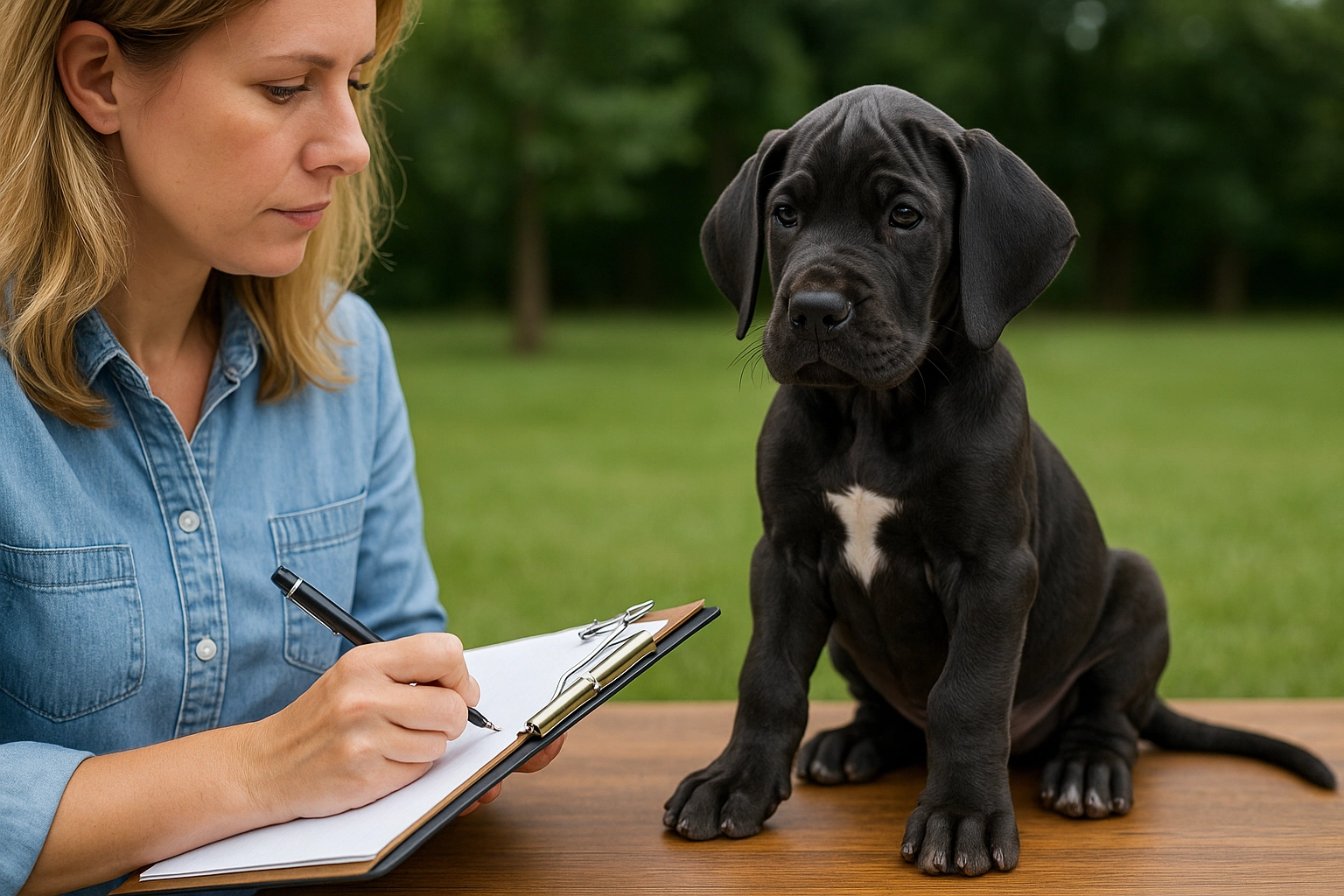
Thinking about bringing home a gentle giant? Great Danes are famous for their sweet nature, big hearts, and even bigger paws. If you are scrolling through pages of great dane puppies for sale, it can feel exciting and a little overwhelming. All those adorable faces look perfect. The trick is knowing what to look for so you choose a healthy, well matched puppy and a responsible breeder.
In this beginner friendly listicle, we will walk through the essentials step by step. You will learn how to spot a trustworthy breeder, what health tests and paperwork to ask for, and how to read puppy temperament during a visit. We will cover size and space needs, beginner training basics, and the real costs of raising a Great Dane. You will also get simple questions to ask before you place a deposit, common red flags to avoid, and a quick prep checklist for your home.
By the end, you will feel confident, informed, and ready to choose the right pup for your lifestyle. Let’s make your gentle giant dream a smart and happy decision.
Understanding Ethical Breeding Practices
When you see great dane puppies for sale, the most important question is not color or collar, it is how they were bred. Ethical programs put lifelong health, steady temperament, and real longevity ahead of litter quantity. That focus helps this gentle giant reach the higher end of the typical 7 to 10 year lifespan. Here is what to look for, and the questions to ask.
1. Health, temperament, and longevity come first
Responsible breeders follow clear standards, plan pairings thoughtfully, and keep learning about genetics. The GDCA Code of Ethics prioritizes structurally sound dogs with stable, people-friendly temperaments. Ask how parents behave in new places and around children, and whether they have working titles or therapy certifications that reflect stable nerves. Longevity is not an accident, so request ages and causes of death for dogs in the pedigree to spot patterns. A good sign is a limited breeding program that prioritizes fewer, better litters and retains puppies to evaluate growth and maturity.
2. Regular health testing is non-negotiable
Great Danes are prone to orthopedic and cardiac issues, so proof of testing matters. Expect OFA or PennHIP evaluations for hips, plus elbows when available, an echocardiogram by a cardiologist, a thyroid panel, and current eye clearances. Many programs also use DNA panels to avoid known hereditary risks. Ask for official results, not just “the vet said they are fine.” This checklist from a general guide to responsible breeding can help you verify what you are shown.
3. Natural rearing supports long-term well-being
Holistic raising practices can improve resilience in a giant breed. Look for species-appropriate nutrition that prioritizes digestibility and natural moisture, careful growth management, and clean living spaces with minimal harsh chemicals. Daily socialization, problem-solving games, and gentle exposure to noises build confidence that lasts. Request a sample feeding plan, the cleaning products used in the whelping area, and a week-by-week socialization calendar. For an overview of what natural rearing means in practice, explore this breeder’s natural rearing approach and use it as a checklist when you interview any program.
The Importance of Comprehensive Health Testing
- Catch genetic risks early with targeted screenings. Great Danes can be predisposed to dilated cardiomyopathy, hip dysplasia, and von Willebrand disease, so responsible programs test breeding dogs before any pairing. The GDCA recommends baseline evaluations around two years of age, including hips, heart, thyroid, and eyes, and repeating heart and thyroid every two to three years; echocardiograms are standard for breeding stock. See the official recommendations here: GDCA health and research guidelines. For families browsing Great Dane puppies for sale, ask which tests were performed, by which specialists, and when they were last updated. With a typical lifespan of 7 to 10 years, choosing pups from fully screened parents helps stack the odds for longevity and soundness.
- Choose a breeder that stands behind their dogs with a long health guarantee. Reputable programs, such as Draggin Dobermans & Great Danes’ 6-year guarantee, signal confidence in their health protocols and transparency. A robust guarantee commonly covers inherited conditions like DCM, vWD, and hip dysplasia, and it should spell out what happens if an issue is diagnosed. Read the contract in full, note timelines for vet exams, and clarify whether a refund, replacement, or medical support applies. Guarantees are not just paperwork, they are a commitment to partner with you over your dog’s life.
- Insist on complete, verifiable documentation for every test. Ask for OFA or equivalent hip and elbow results, board-certified cardiologist reports for echocardiogram and ECG, thyroid panels, eye clearances, and DNA results for bleeding disorders. Cross-check dog names, microchips, and registration numbers so the paperwork matches the actual parents. The Royal Kennel Club health standard underscores consolidating relevant tests to guide buyers and breeders. Request copies for your records and a quick walk-through of how to read them. Clear, organized proof is your best safeguard before you place a deposit.
Natural Rearing and Raw Feeding Explained
- Natural rearing promotes hydration and whole‑body nutrition If you are browsing great dane puppies for sale, you will often hear about natural rearing. The goal is a species-appropriate start that supports giant-breed growth and gut health. Daily access to clean water is essential, and many programs add moisture-rich options like raw goat milk and unsalted bone broth to encourage drinking and provide electrolytes, probiotics, and amino acids. Simple ideas include freezing goat-milk pupsicles for hot afternoons or offering lukewarm bone broth after training to nudge intake. Time outdoors, fresh air, and age-appropriate sun exposure also support circadian rhythm and appetite. For a peek at early-life protocols that pair enrichment with thoughtful husbandry, explore this overview of Puppy Culture for Great Danes.
- Raw feeding centers on high-quality proteins and fats for growth Great Dane puppies build massive frames quickly, so raw diets emphasize digestible animal proteins and healthy fats that fuel muscle development, brain growth, and a glossy coat. Typical menus feature beef, turkey, chicken, or lamb for protein, plus oily fish like sardines for DHA and EPA. Moisture from fresh food naturally boosts hydration, which helps keep stools regular and supports kidney function. Use appropriately sized edible bones, like poultry frames or wings, to supply balanced calcium and phosphorus without overdoing density. Start with small, frequent meals, three to four per day, and transition gradually over two to four weeks while monitoring stools and energy. For practical examples and safety tips, see this raw feeding guide for Great Danes.
- Join communities to learn, troubleshoot, and stay consistent Raw and natural rearing work best when you have a support network. Seek groups that provide starter menus, growth charts for giant breeds, and evidence-based files on calcium management, safe bones, and bloat prevention. Helpful communities welcome vet collaboration, require civil discussion, and encourage data tracking. Keep a simple journal with weekly weights, photos, stool notes, and any recipe tweaks, then bring that log to your breeder or a giant-breed savvy veterinarian for feedback. Ask your breeder if they host an alumni group so you can compare growth curves with littermates. With shared knowledge and steady habits, you can support a healthy start and help your Dane beat the 7 to 10 year average lifespan through proactive care.
Early Socialization for Great Dane Puppies
1. Expose puppies to varied stimuli to encourage adaptability
Great Dane puppies grow fast, so their brains need rich, bite‑sized experiences early on. Plan brief, upbeat sessions that introduce new surfaces, sounds, people, and safe animals. For example, let pups explore grass, gravel, tile, carpet, a low wobble board, and a shallow kiddie pool with a bath mat for traction. Pair household noises with treats at low volume, then gradually increase, think vacuum, blender, doorbell, and laundry machines. Invite people with hats, glasses, beards, and mobility aids to offer gentle petting and snacks. Short car rides, calm vet lobby visits, nail trims, and handling of ears, paws, and tails round out a resilient foundation. The Great Dane Club highlights that this work is most impactful before 16 weeks, the primary socialization window, see the Great Dane Club socialization guidance.
2. Start within the first four months for best results
The sensitive period between roughly 3 and 14 weeks is when puppies are biologically primed to absorb new information, which is why early wins matter so much. The AKC Great Dane puppy timeline reinforces using this window for confidence building, problem solving, and emotional stability. Begin with two to three new experiences per day, keep sessions under five minutes, and end on a positive note. Techniques like Early Neurological Stimulation and Early Scent Introduction, typically days 3 to 16, can boost adaptability when applied correctly. Before full vaccinations, carry your pup in public, use a sanitized stroller, and visit friends’ yards to balance disease safety with crucial exposure. Aim for quality over quantity, watching for soft eyes, loose bodies, and a wag that says learning feels good.
3. Engage with a breeder who prioritizes early socialization
When you see great dane puppies for sale, ask the breeder for a week‑by‑week plan from birth to go‑home. Look for in‑home rearing, daily handling logs, sound desensitization, surface challenges, supervised dog and cat introductions, car rides, and gentle grooming practice. Ask how many friendly people will meet each litter, how progress is tracked, and how they coach new owners to continue socialization through 16 weeks. Red flags include kennel‑only rearing, vague answers, or no structured plan. A thoughtful program signals a commitment to stable temperaments and a smooth transition into your family’s routine.
Tailoring Diets for Growing Great Danes
1) Match protein and fat to giant‑breed growth
Great Dane puppies thrive on controlled energy, not “more is better.” Aim for diets with about 22 to 24 percent protein and 12 to 15 percent fat, which align with widely cited dietary guidelines for Great Dane growth. These ratios build lean muscle and strong bones without pushing rapid growth that can stress joints. Check the guaranteed analysis on the bag, and choose formulas meeting AAFCO growth standards for large breeds. If your puppy is on a 28 percent protein, 18 percent fat food, consider switching to a more moderate option and transition over 5 to 7 days. Keep a lean body condition where you can feel ribs with light pressure and see a defined waist.
2) Feed small, frequent meals to protect developing joints and the stomach
Great Danes are prone to digestive upset and bloat, so smaller meals are safer. Plan 3 to 4 meals per day from 2 to about 6 to 7 months old, then shift to 2 to 3 meals through 12 months, consistent with Great Dane feeding frequency recommendations. Example schedule for a 12‑week puppy: 7 a.m., noon, 5 p.m., and 9 p.m., with calm rest 60 to 90 minutes before and after meals. Use a slow‑feeder bowl if your pup gulps, and measure portions with a kitchen scale for accuracy. Avoid free‑feeding, which can promote excess weight and mask appetite changes that signal health issues.
3) Customize with expert guidance as your Dane grows
Every Dane’s needs shift with age, metabolism, and activity. Partner with your veterinarian or a qualified canine nutritionist to set calorie targets, confirm that calcium and phosphorus are appropriate for large‑breed growth, and decide whether a raw or kibble plan suits your household. Bring weekly weights, photos from the side and above, stool notes, and treat counts to each check‑in. Maintain a body condition score near 4 to 5 out of 9, and adjust food by 10 percent increments based on growth curves. Thoughtful nutrition now supports the gentle giant you saw when searching for great dane puppies for sale.
Regular Health Check-ups
1) Schedule consistent vet visits to track giant-breed growth
If you are eyeing great dane puppies for sale or just brought one home, regular checkups are essential because they grow fast. Visit the vet every 3 to 4 weeks from 6 to 16 weeks for vaccines, deworming, and growth checks. From 6 months to 2 years, biannual exams help watch joints, teeth, and heart during this intense adolescent phase. After age 2, plan annual visits, and consider staying biannual because giant breeds age faster, with Great Danes averaging 7 to 10 years, and benefit from early detection. Your vet will track body condition score and growth plates, then adjust nutrition or exercise so development stays balanced.
2) Prioritize preventative care to sidestep big problems
Preventative care sidesteps big problems and keeps bills predictable. Keep up with core vaccines, and add lifestyle shots like leptospirosis or Bordetella if your Dane is out and about. Use year round flea, tick, and heartworm prevention, and schedule stool checks to catch parasites early. Feed for steady growth and pair with moderate exercise, while avoiding high impact play near meals to protect joints and reduce bloat risk. Ask about prophylactic gastropexy at a future spay or neuter, a surgery that can greatly lower the chance of life threatening GDV.
3) Build a real partnership with your veterinarian
Treat your veterinarian like a co pilot for your dog’s lifetime health. Share breeder test results, such as cardiac scans or genetic panels, so your plan starts personalized. Discuss ideal timing for spay or neuter in Danes, often after skeletal maturity at 18 to 24 months, and any pre anesthesia screening. Build an emergency plan for bloat signs, restlessness, drooling, retching without vomit, and know the nearest 24 hour clinic. Keep a shared growth chart, consider pet insurance early, and use telehealth for quick questions between in clinic visits.
Conclusion
Choosing a Great Dane should be equal parts heart and homework. Focus on four essentials: partner with a responsible breeder who provides verifiable health testing and clear paperwork; evaluate each puppy’s temperament and energy to match your lifestyle; be realistic about size, space, training and long term costs; use the questions, red flags and home prep checklist to guide every step. Ready to move from browsing to bringing one home? Shortlist two to three reputable breeders, book in person visits, ask to see health certificates, and observe puppies and parents. Print the checklist, set a budget, and prepare your home and routine before you place a deposit. You now have a simple, proven roadmap to find a healthy, happy gentle giant. Start today with your first breeder call, and take the next confident step toward the Dane that fits your life.