
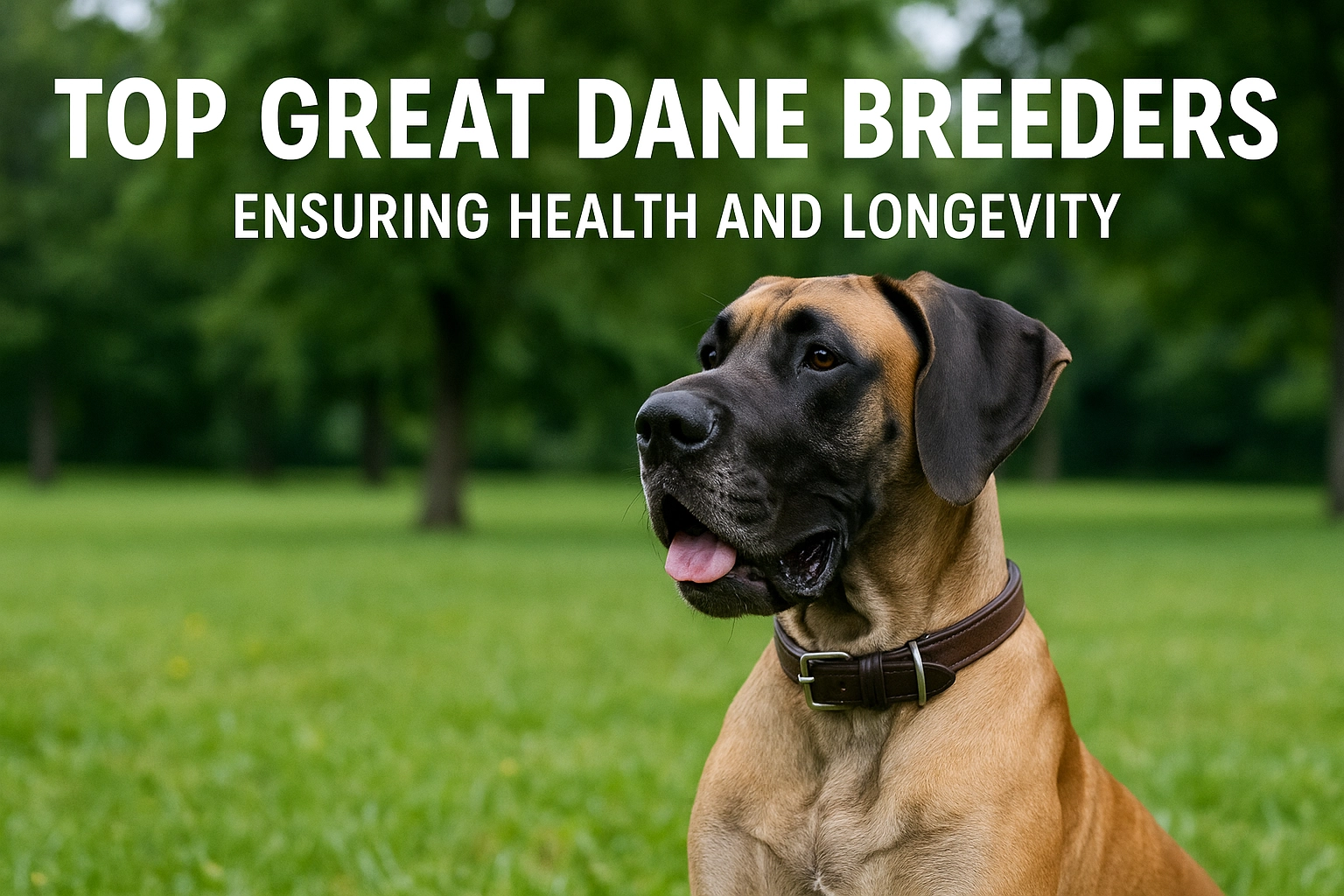
A Great Dane can fill your home and your heart, but only a carefully bred Dane is likely to thrive for years. In this list, we spotlight the top great dane breeders who prioritize health, structure, and stable temperament. Our focus is longevity backed by evidence, not marketing. We evaluated programs on verifiable testing, transparent practices, and lifelong support.
You will learn the exact criteria that separate ethical breeders from the rest, including OFA orthopedic clearances, cardiologist-performed echocardiograms, thyroid and eye exams, and thoughtful pedigree management that keeps inbreeding low. We will cover how responsible kennels reduce bloat risk, use sound socialization protocols, and stand behind their dogs with contracts and mentorship. Expect a clear, actionable list of standout programs, what each does well, what to ask on your first call, typical costs and wait times, and red flags to avoid. We also explain how to verify claims through CHIC and OFA databases, and how to read test results. By the end, you can choose with confidence and give your future giant the best chance at a long, healthy life.
Understanding Responsible Breeding Practices
1. Ethical breeding protects well-being
When evaluating top great dane breeders, start with their ethics. The Great Dane Club of America’s Code of Ethics sets clear expectations for housing, care, and humane decision-making, including lifetime responsibility for every puppy produced. Responsible programs limit litter frequency, retire breeding dogs at appropriate ages, and prioritize early socialization that includes novel surfaces, sounds, and handling. They avoid third-party sales, keep detailed records, and provide full transparency on health and temperament. Actionable check: ask for a written return-to-breeder clause, proof of early socialization protocols, and a walkthrough of the living conditions to confirm clean, enriched environments.
2. Health testing and longevity come first
Health screening is the backbone of any preservation-minded Great Dane program. GDCA’s health and research recommendations emphasize OFA hips, cardiac evaluations by a board-certified cardiologist, thyroid panels, and eye exams, which help reduce inherited risk. Given a typical lifespan of 7 to 10 years, breeders committed to longevity also discuss proactive steps like nutrition for slow, joint-friendly growth, periodic echocardiograms for dilated cardiomyopathy risk, and owner education on bloat prevention, including when prophylactic gastropexy may be appropriate. Actionable check: request OFA numbers, copies of cardiac reports, and a sample puppy wellness schedule. Look for structured follow-up support that tracks growth and orthopedic development through maturity.
3. Care-driven programs, not profit-driven litters
Ethical breeders run limited, goal-based programs where each pairing has a purpose tied to health, temperament, and structure. They use data to guide decisions, such as multi-generation health outcomes and temperament notes, not just titles or color. Expect detailed contracts, candid discussion of known breed risks, and robust support that can include multi-year health guarantees, temperament matching, and training guidance. Red flags include constant “available now” litters, vague health claims without reports, and reluctance to answer process questions. Actionable check: ask how this pairing improves temperament or longevity, what measurable criteria were met before breeding, and how the breeder supports you across the dog’s full life.
Draggin.net’s Commitment to Great Dane Excellence
- Six-year health guarantee that signals top Great Dane breeders’ standards. Draggin Dobermans & Great Danes backs every Great Dane puppy with a six-year genetic health guarantee, a strong indicator of selection rigor and care. Coverage addresses inherited conditions such as non-traumatic hip dysplasia, cervical vertebral instability, dilated cardiomyopathy, and symptomatic von Willebrand’s disease. Buyers should review the written terms, confirm diagnosis timelines, and understand remedies such as replacement, reimbursement of veterinary costs, or treatment plans. A guarantee that extends beyond typical life stages, Great Danes average 7 to 10 years, reinforces confidence in kennel’s breeding decisions.
- Comprehensive health screening integrated into the program. Breeding dogs are screened prior to pairing, including OFA or PennHIP hip evaluations, cardiac exams with echocardiography when indicated, and DNA testing for vWD and DCM. Puppies receive veterinary exams, microchipping, parasite screening, vaccinations, and socialization in the home environment to build resilience and confidence. Prospective families can request copies of clearances, pedigrees highlighting tested ancestors, and the puppy’s individual exam records before placement. For additional program details and documentation expectations, consult the breeder’s overview at Draggin program standards.
- Temperament and longevity as primary selection goals. Pairings prioritize stable, people-focused temperaments, biddability, and sound nerve, then layer in conformation and drive appropriate for a modern family guardian. Litters are raised with calm exposure to household stimuli, positive reinforcement, and natural rearing protocols that emphasize immune health and gentle deworming. The team tracks health and behavior outcomes across generations, using that data to avoid lines associated with early-onset cardiac or orthopedic issues. Ask to see temperament evaluations at seven to eight weeks and follow-up reports from prior litters to ensure the match fits your household.
The Rise of Holistic Rearing Methods
- Avoiding chemicals and nonessential vaccines in breeding Top Great Dane breeders increasingly minimize synthetic inputs to reduce immune disruption and endocrine load. Instead of automatic vaccine schedules, many use titer testing to verify protective immunity and only vaccinate when required by law, a practice outlined in resources like natural rearing guidelines from Wavemaker Staffords. Parasite control relies on integrated tactics, such as fecal monitoring, targeted treatment, and natural repellents, rather than routine broad-spectrum chemicals. Whelping areas are sanitized with gentle agents, and kennels avoid lawn pesticides and heavy fragrances that can irritate giant-breed airways. Actionable step: ask breeders for written vaccine policies, recent titer reports, and their cleaning and pest-management protocols, including what is used on floors, bedding, and yards.
- Natural rearing for better genetics Holistic rearing aims to optimize gene expression across generations by aligning nutrition and environment with canine biology. Breeders document outcomes like fertility, neonatal survival, and orthopedic soundness to see whether a low-toxin setting and species-appropriate diets correlate with healthier litters. Some programs report reduced incidence of chronic skin or gut issues after multiple generations on raw or minimally processed food, a theme echoed in disease-prevention discussions such as cancer risk reduction strategies. For a breed whose average lifespan is 7 to 10 years, even small gains in vitality matter. Actionable step: request multi-generation health summaries that include diet histories, parasite loads, and longevity data, not just basic pedigree charts.
- Strong immune system through holistic methods A resilient immune system is cultivated through whole-food nutrition, diverse microbiome exposure, and low environmental toxin load. Breeders feed balanced raw or gently cooked diets with organs, bones, and omega-3s, then track coat quality, stool scores, and growth curves to verify response. Puppies receive controlled outdoor time, varied surfaces, and clean air to support respiratory and skin defenses. Chemical burdens are reduced by choosing unscented detergents, vinegar-based cleaners, and spot-treating parasites only when fecal counts warrant it. Actionable step: ask for diet formulations, sourcing standards, and objective health metrics, such as fecal egg count trends and incidence of allergies across recent litters, to confirm holistic practices are delivering measurable results.
The Significance of Early Veterinary Screening
1. Detailed health checks for heart, hips, and eyes
Great Danes are predisposed to dilated cardiomyopathy, so breeding dogs should receive a board certified cardiology exam that includes auscultation and an echocardiogram every 12 to 24 months. Many programs add a baseline NT proBNP blood test to flag early myocardial stress. For orthopedic soundness, hips are cleared by OFA at 24 months or assessed earlier with PennHIP, which quantifies joint laxity so breeding decisions can be data driven. Eyes should be examined annually by a DACVO ophthalmologist, with results recorded via a CAER report. Ask to see the cardiologist’s letter, OFA or PennHIP numbers, and the most recent CAER certificate; top great dane breeders provide these in buyer packets. For an overview of breed health expectations, review the AKC Great Dane health statement.
2. Ensuring behavioral health through screenings
Temperament is heritable and measurable, so structured puppy evaluations at 7 to 8 weeks are essential. Reputable programs use standardized tools like litter temperament tests, startle recovery checks, and social resilience exercises that predict adaptability in busy homes. Parents should demonstrate stable temperaments, for example passing Canine Good Citizen or earning performance titles that showcase biddability. Breeders should document early neurological stimulation, gentle handling by diverse people, resource guarding prevention, and separation conditioning to reduce later anxiety. Ask for written evaluation summaries and video of novel stimulus exposure so placement matches the family’s lifestyle.
3. Long term benefits for puppies and owners
Early screening shifts outcomes across a Dane’s 7 to 10 year lifespan by catching issues before they are costly crises. Families gain clearer expectations for activity, insurance planning, and appropriate nutrition, which reduces orthopedic strain during rapid growth. Puppies placed from health and behavior screened parents are easier to train, more predictable with children, and less likely to be rehomed. Action plan, keep copies of all reports, schedule a baseline echo at 12 to 18 months, repeat eye exams yearly, and reassess hips before strenuous sports. These habits compound with natural rearing and limited, purpose bred matings to support longevity.
Educating Potential Owners on Great Dane Care
1. Understand breed-specific needs and traits
Great Danes are true giants, so plan for scale in every aspect of care. Males commonly reach 28 to 32 inches at the shoulder and 110 to 175 pounds, and females are not far behind, which affects housing, travel, and equipment choices like a 54 inch crate and raised water pail for comfort, not for feeding. Review the breed’s size and build to anticipate growth spurts, then budget for high quality giant breed nutrition that supports slow, steady development. Temperamentally, Danes are affectionate and steady, yet naturally protective of home and family; they thrive on close contact and clear boundaries, as noted in independent breed summaries. Health wise, expect an average lifespan of about 7 to 10 years, and proactively mitigate risks like gastric dilatation volvulus by feeding smaller, more frequent meals, limiting vigorous activity one hour before and two hours after meals, and learning early emergency signs. Moderate daily exercise, soft non slip flooring, and controlled stair use protect growing joints through maturity at roughly 18 to 24 months.
2. Commit to training and discipline
Because a friendly 150 pound dog can still be overwhelming, early structure is non negotiable. Begin socialization during the sensitive window from 8 to 16 weeks, pairing new sights, surfaces, people, and dogs with calm, positive experiences. Use positive reinforcement to build impulse control with sit, down, place, leave it, and loose leash walking; five to ten minute sessions, two to three times daily, prevent fatigue and keep learning sharp. Prioritize polite greetings and boundary games at doorways so size never becomes a liability. For context on the breed’s cooperative nature and exercise needs, consult a clear temperament and care overview.
3. Use resources for lifelong support and education
Partner with a veterinarian experienced in giant breeds; schedule baseline orthopedic evaluations during growth and discuss a bloat response plan, including the nearest 24 hour emergency clinic. Top Great Dane breeders typically provide owner education, structured socialization plans, and ongoing support, so ask about mentorship calls and training referrals before you bring your puppy home. Enroll in a reputable puppy kindergarten, then a manners class, to maintain consistency through adolescence. Build a reference kit at home, including growth charts, body condition scoring guides, and a training log that tracks cues, durations, and distractions. With the right knowledge, routine, and support network, your Dane will develop into the steady, mannerly companion the breed is celebrated for.
Evaluating Breeder Transparency and Guarantees
1. Understand breeder policies and promises
Start with the paperwork. Top great dane breeders use clear, legally sound contracts that define buyer and breeder responsibilities, puppy care standards, and what happens if problems arise. Look for a return-to-breeder clause for any reason, spay or neuter or co-ownership terms, AKC registration type, and a precise definition of covered genetic conditions. Deposits, waitlist priority, transport policies, and post-sale support should be spelled out as well. Review a sample agreement like this health guarantee contract to benchmark language about coverage windows, veterinary verification, and remedies.
2. Verify transparency in breeding processes
Credible programs make their decisions visible. Expect proof of health testing with OFA or PennHIP numbers, cardiac and thyroid evaluations, and eye exams that can be verified through registries or official reports. Ask for a rationale for each pairing, pedigree depth, and how the breeder tracks longevity and temperament outcomes across generations. Facility visits or live video tours, litter health records, and honest disclosure of known issues indicate integrity. Watch for red flags like inconsistent details, missing documentation, or pressure tactics, as outlined in this guide to scam breeder warning signs. Transparency should extend to aftercare, including nutrition plans, socialization protocols, and owner education.
3. Weigh the benefits of long-term health guarantees
Great Danes live about 7 to 10 years, so multi-year guarantees meaningfully protect owners and incentivize breeder accountability. Look for coverage that spans at least two to four years for life-impacting genetic conditions, with clear steps for diagnosis, claims, and remedies. Some programs define temperament guarantees and specify replacement or refund options, as seen in this four-year health and temperament example. Understand whether necropsies are required for claims, how veterinary costs are handled, and how insurance interacts with the guarantee. Longer terms usually reflect rigorous selection for health and temperament and align with natural rearing and longevity-focused breeding goals.
Taken together, transparent policies, verifiable processes, and robust guarantees help you identify top great dane breeders and set your puppy up for lifelong success.
Conclusion: Making Informed Choices for Your Great Dane
- For top great dane breeders, ethical breeding sets the foundation for health, temperament, and longevity. Expect board certified cardiac echo or Holter, OFA hips and elbows, thyroid panel, and eye exam. Limited, purpose driven matings and multi year genetic guarantees, up to six years, indicate rigor. Ask to see original reports, a sample contract, and meet adult dogs to verify stable temperaments.
- Choose a breeder who mirrors your health priorities and risk tolerance. Confirm clear coverage terms for congenital and genetic disease, return or take back policies, and spay timing. Clarify vaccination plan, parasite control, diet, and early socialization like ENS and 7 to 8 week temperament tests. Request pedigree longevity data, coefficient of inbreeding, and DCM history; with a 7 to 10 year lifespan, choices matter.
- Responsible ownership begins before pickup. Budget 3,000 to 5,000 dollars the first year, and consider pet insurance before twelve weeks. Discuss prophylactic gastropexy for bloat risk, schedule an echo by age two to three, keep body condition 4 to 5 of 9. Prepare non slip surfaces, an appropriate crate, and a training plan, and stay engaged with your breeder and the Great Dane Club of America.