
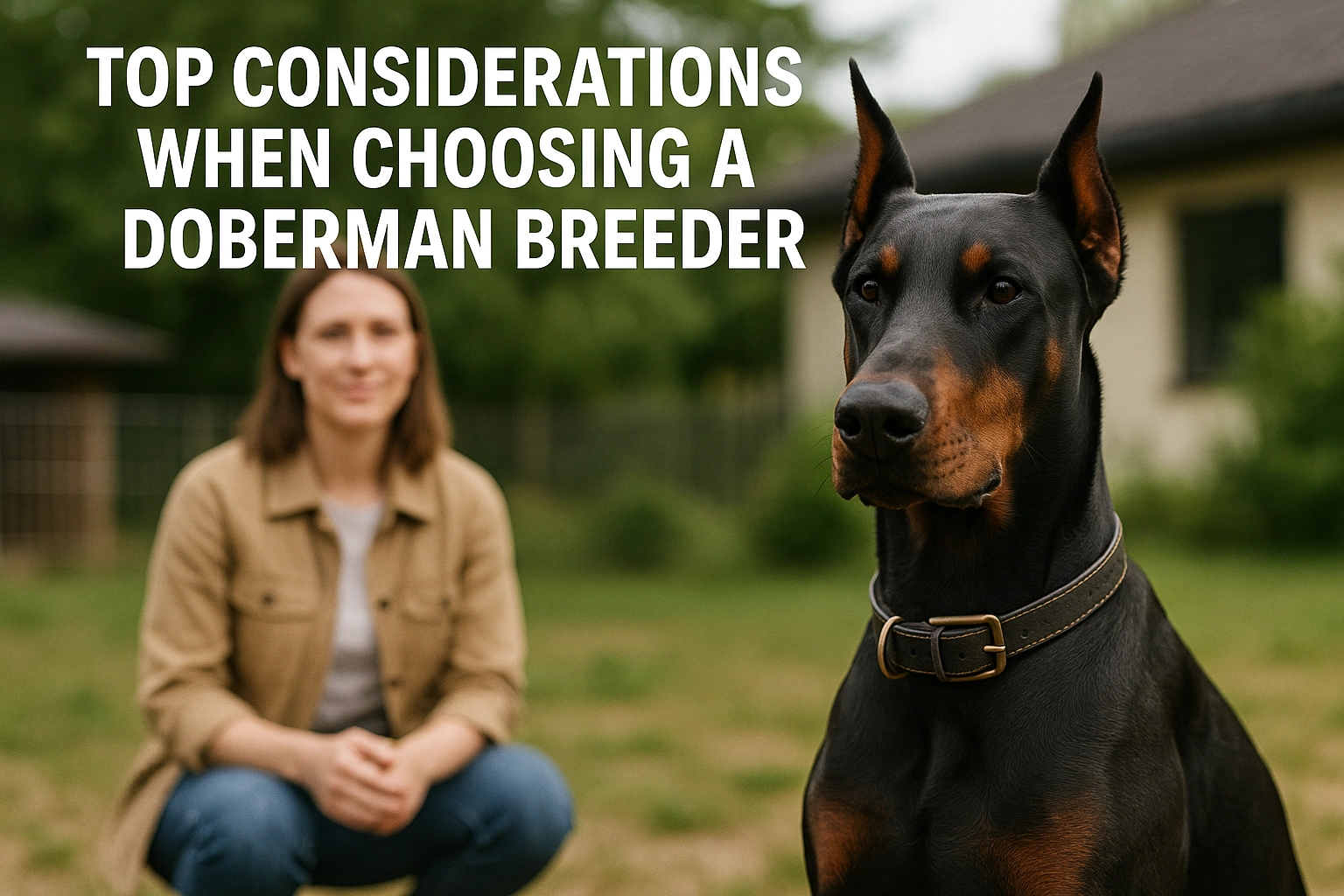
Choosing a Doberman is more than a purchase; it is a decade-long partnership shaped from day one by the person who breeds your puppy. The right breeder influences health, temperament, and trainability. The wrong one can saddle you with preventable issues and a poor fit for your lifestyle.
Most owners start by searching doberman pinscher breeders near me. Proximity is convenient, yet it should not be your deciding factor. In this list, you will learn how to separate marketing from merit. We will cover non-negotiable health testing and how to verify it, the difference between show, working, and sport lines, what early socialization should look like, and why contracts, warranties, and lifetime support matter. You will see the questions serious breeders expect, how to read pedigrees without getting lost, and the red flags that signal you should walk away. By the end, you will know how to evaluate any breeder with confidence, whether they are across town or across the country, and how to choose the partner who sets your Doberman up to thrive.
Importance of Comprehensive Health Testing
How responsible breeders safeguard Doberman health
- Recognize the real prevalence of DCM and vWD Dilated Cardiomyopathy is not rare in Dobermans, studies suggest up to 58% may be affected, which is why early detection and cautious pairing matter so much. DCM compromises the heart’s ability to pump effectively, which can lead to fainting, congestive failure, or sudden death, especially in middle age. Von Willebrand disease is also widespread, with about 50% carriers and roughly 25% affected in some Doberman populations, so unmanaged bleeding risk is real. Ask any Doberman Pinscher breeders near me search results for proof of DNA results on both parents. Prioritize breeders who can show recent DCM genetic results and vWD status with clear documentation. For reference, see research aggregated by Science.gov and information on von Willebrand disease.
- Require advanced cardiac, hip, and elbow evaluations Annual 24-hour Holter monitoring and echocardiograms catch occult DCM long before symptoms, and the DPCA recommends testing annually or within three months prior to breeding. Always request the latest Holter and echo reports, including date, interpreting cardiologist, and summary findings, from both sire and dam. Pair this with orthopedic screening, OFA or PennHIP for hips and elbow certification, to reduce risk of arthritis and mobility issues later in life. A transparent breeder will share official OFA numbers or PennHIP certificates, not just verbal assurances. Use the DPCA breeding FAQs as your standard when evaluating claims.
- Insist on comprehensive Doberman DNA panels A robust panel should include DCM1, DCM2, vWD, and Degenerative Myelopathy at minimum, ideally through a recognized veterinary genetics lab. Panels consolidate testing, lower error risk, and make it easier to verify results across generations. Ask for the lab name, sample date, and full report PDFs so you can independently confirm each marker. Avoid relying solely on “clear by parentage” beyond one generation without documentation.
- Value guarantees that back the testing Draggin Dobermans & Great Danes in Houston offers a six-year health guarantee that covers DCM, symptomatic vWD, non-traumatic hip dysplasia, and Wobbler syndrome, which sets a high bar in a field where 3 to 5 years is common. This length signals confidence in their health testing, limited breeding program, and natural rearing protocols. When comparing breeders, weigh the scope and term of the guarantee alongside the actual test results. Robust guarantees aligned with documented testing protect both families and dogs.
Focus on Ethical Breeding Practices
1. Transparency in genetics and pedigree
When evaluating doberman pinscher breeders near me, start by demanding full disclosure of pedigree, health screens, and inbreeding coefficients. Ask for OFA or equivalent results for hips and elbows, thyroid panels, eye exams, vWD DNA status, and both cardiac echocardiogram and 24-hour Holter findings. Responsible breeders will share test reports for both sire and dam, not just a summary. The Doberman Pinscher Club of Dallas outlines these expectations and encourages buyers to verify results before placing a deposit. Review their checklist here: choosing a breeder.
2. Limited breeding improves temperament and longevity
Programs that keep litter numbers low can invest more time in early socialization, temperament testing, and enrichment during the critical 3 to 12 week window. Fewer litters also reduce pressure to breed marginal stock, supporting the DPCA longevity focus on dogs living past 10 years and preserving genetic diversity. Look for policies that avoid back-to-back breedings and respect maturity benchmarks, which align with ethics such as those described by the Cavalier Doberman Pinscher Club. Review their standards: Code of Ethics.
3. draggin.net emphasizes ethical practices with fewer litters annually
Houston-based Draggin Dobermans runs a limited program centered on stable temperament, heart health, and lifespan. Each pairing is preceded by comprehensive screening for DCM, vWD, hips, thyroid, and eyes, and puppies are reared with natural protocols, including species-appropriate nutrition and structured socialization. Their contract includes a 6-year health guarantee, which exceeds the 3 to 5-year guarantees some reputable kennels offer for hereditary conditions. Explore their approach and current plans: Draggin Dobermans.
4. Health guarantees showcase commitment to breed integrity
A robust written guarantee signals that a breeder is confident in their genetics and will support you long term. Look for clear coverage of DCM, vWD, and orthopedic conditions, plus defined remediation steps such as refund, replacement, or shared treatment costs. Guarantees paired with lifetime breeder support, training guidance, and spay-neuter timing advice show true partnership. Prefer contracts that reference documented test results and longevity in the pedigree. This level of accountability protects you and preserves breed integrity.
Temperament and Early Socialization
- Temperament shapes lifetime behavior and health. A Doberman’s baseline confidence, recovery from startle, and sociability predict how it handles new people, dogs, and pressure in sports or urban living. Poorly selected or undersocialized temperaments correlate with anxiety, reactivity, and owner-directed stress, which can aggravate overall wellness. Balanced dogs sleep better, learn faster, and maintain steadier heart rates under load. Experts note that unmanaged stress may compound cardiac risk in this breed, which already faces DCM concerns, so calm coping skills matter for longevity. For an overview of how temperament drives outcomes, see this guide to Doberman temperament.
- Positive early environment and socialization build happy dogs. From 3 to 16 weeks, pair controlled novelty with rewards, short sessions, and rest. Create a checklist that covers diverse people, surfaces, sounds, car rides, vet handling, and neutral dog exposure. Prioritize consent-based handling, startle-and-recover games, and calm crate introductions. Aim for quality over quantity, two to three new exposures per day, and track progress to avoid flooding. Owners searching for doberman pinscher breeders near me should ask how litters experience household life, toddlers behind gates, vacuum noise, and safe field trips before placement.
- Ethical breeders prioritize temperament in selection. Responsible programs breed stable, biddable adults and document puppy aptitude observations at 7 to 8 weeks. Ask to meet the dam, view videos of the sire in public, and review notes on sound sensitivity, human focus, and resource guarding prevention. Reputable sources emphasize temperament as much as structure, see Doberman Pinscher temperament and personality. Expect lifetime take-back policies and mentorship on training.
- Draggin.net focuses on fostering balanced temperaments. Houston-based Draggin Dobermans limits litters, performs comprehensive vWD and DCM screening, and applies natural rearing protocols that include structured enrichment and early socialization. Their individualized approach, plus a 6-year health guarantee and placement coaching, supports steady, people-centered companions. Explore their philosophy at draggin.net. This foundation transitions smoothly into obedience, scent work, and family life.
Natural Rearing Protocols
1. Raw feeding promotes giant breed health
For Dobermans and other large or giant breeds, a balanced raw plan can help manage growth, joint load, and lean body condition. Many raw feeders follow an 80 percent meat, 10 percent bone, 5 percent liver, 5 percent other organs guideline, adjusting calcium and phosphorus to support controlled skeletal development. Transition over 7 to 10 days, start with a single protein such as turkey, and avoid cooked bones entirely. Track body condition weekly and stools daily, smaller and firmer stools often indicate efficient nutrient use. For working Dobermans, add oily fish two to three times weekly for omega-3s and rotate proteins every 2 to 3 weeks to diversify micronutrients.
2. Natural rearing reduces chemical exposure and disease risk
Natural rearing extends beyond diet to the dog’s environment, which can influence immune tone and long-term disease risk. Replace harsh cleaners with diluted vinegar or fragrance-free products, use stainless steel bowls, and limit lawn pesticides where dogs spend time. Work with your veterinarian to use titer testing when appropriate, follow local laws, and individualize preventive care based on regional risk, heartworm prevention remains essential in warm, mosquito-dense areas like Houston. Choose fragrance-free bedding, wash gear weekly, and store raw foods safely to minimize pathogen exposure while preserving benefits.
3. Popular among breeders for enhancing breed longevity
Many programs aiming for 10-plus year Dobermans pair natural rearing with rigorous selection, and some track longevity through the DPCA’s recognition standards. Breeders report lower rates of skin issues and better dental scores when puppies are reared on whole foods and raw meaty bones. When vetting doberman pinscher breeders near me, ask for diet logs, parasite prevention protocols, and proof of relatives recognized for longevity. Natural rearing should complement health screening, request DNA panels for DCM and vWD from reputable labs such as Embark’s breed-specific Doberman tests.
4. draggin.net champions natural feeding protocols
In Houston, Draggin Dobermans & Great Danes is listed among natural-rearing advocates, prioritizing raw feeding, minimal chemical use, and holistic supports documented on the Natural Rearing Doberman breeder directory. Their approach aligns diet, environment, and temperament-focused selection to support robust immune systems and sound minds. If you are interviewing breeders, request written weaning protocols, sample weekly menus, and a transition plan you can follow at home. Pair these practices with transparent health guarantees and open communication so nutrition, genetics, and rearing align for longevity.
Certifications and Affiliations to Consider
1. Verify OFA and CHIC health certifications
When vetting doberman pinscher breeders near me, verify OFA records for hips, elbows, thyroid, and especially cardiac. Ask for each dog’s registered name or number and the direct OFA link or screenshot with dates. A Canine Health Information Center profile and CHIC number confirm breed recommended tests like hip screening, cardiology exams, and a vWD DNA test are completed and public. For Dobermans, prioritize an annual cardiologist echocardiogram and 24 hour Holter results, and keep copies of all reports.
2. Look for breed club affiliations and codes of ethics
Serious breeders belong to the Doberman Pinscher Club of America and local chapter clubs, following published codes of ethics. Club involvement often comes with show or performance participation, evidence of stable temperament and correct structure. Ask whether they enroll dogs in the DPCA Longevity Program that recognizes lines with 10 plus year lifespans, and how they track lifespan data. Request membership numbers and titles so you can independently verify claims.
3. Value international affiliations and collaboration
Recognized kennels maintain international affiliations to broaden genetics and lower inbreeding risk. Ask about International Dobermann Club connections, FCI events, or imported semen from health tested lines, and review pedigrees for foreign titles. Diversity matters; Australian programs are frequently cited for better lifespan, as noted in this discussion Doberman diversity and longevity study insights. Request the planned litter’s coefficient of inbreeding calculated across multi country databases and an explanation of how outcross choices were made.
4. Case study, Houston
Draggin Dobermans & Great Danes is a recognized ethical breeder that illustrates these standards in practice. Their limited program emphasizes comprehensive health testing, including cardiac screening and DNA panels, backed by a 6 year genetic health guarantee covering DCM, vWD, and hip dysplasia. Puppies are raised with natural rearing protocols and careful socialization, improving confidence and longevity focus. When you visit, ask to see OFA and CHIC documentation, cardiology reports, and vWD results for every breeding adult.
Leveraging Online Resources and Reviews
1. Use established breeder directories to build your shortlist
Start by consulting recognized directories that vet listings and require adherence to codes of ethics. The Doberman Pinscher Club of America breeder referral, the United Doberman Club directory, and curated platforms like Better Breeder help you find doberman pinscher breeders near me who commit to health testing and transparent practices. Prioritize breeders who reference DPCA Longevity Program lines, a signal that they value dogs living past 10 years. Scan listings for explicit cardiac and DNA screening notes and for stated health guarantees, many reputable kennels publish three to five year coverage for hereditary issues. Create a regional shortlist, then cross-check each candidate’s kennel name, registered dogs, and show or performance titles in public databases before initiating contact.
2. Read customer reviews with a verification mindset
Reviews contextualize how a breeder treats families before and after pickup. Look for patterns like consistent communication, clear contracts, and proactive health support well past the first vet visit. As a concrete example, Draggin Dobermans & Great Danes in Houston highlights a six year health guarantee, and draggin.net features positive feedback and testimonials that underscore temperament, sound structure, and lifetime guidance. Ask breeders for two to three references from owners whose dogs are 12 to 36 months old, this window reveals how early socialization and health hold up. Give extra weight to reviews that mention specific outcomes, such as normal cardiac echoes at one year or successful performance titles.
3. Audit social media for day to day practices
Instagram, Facebook, and YouTube can reveal how puppies are actually raised. Look for clean whelping areas, enrichment rotations, and confident puppy behavior with novel surfaces and sounds. Favor accounts that post unedited training clips, vet visit summaries, and Q&A sessions where the breeder names the exact health panels used. Check comment threads for how the breeder handles tough questions and schedule changes, responsiveness reflects reliability. Treat highly polished but sparse feeds with caution, seek frequency, transparency, and consistency over marketing flair.
4. Triangulate data and screen for red flags
Combine directory listings, reviews, and social content to verify claims. Request a live video call with dam and puppies, microchip numbers, and sample health records before leaving a deposit. Be wary of deep discounts, pressure to wire funds, or promises of free shipping, these are common scam signals. Document your findings in a simple scoring sheet that rates transparency, testing depth, longevity focus, and owner support. With a vetted shortlist in hand, you are ready to schedule interviews and, when feasible, in person visits.
Conclusion
Choosing a breeder shapes your next decade with a Doberman. Focus on four essentials: verified health testing with proof; a line that matches your lifestyle and goals, show, working, or sport; meaningful early socialization; clear contracts, health warranties, and lifetime support. Learn to read pedigrees, ask the questions serious breeders expect, and recognize red flags.
Now put it into action. Use this guide as your checklist, build a short list of breeders, schedule interviews, request documentation, visit in person or via video, and be ready to travel or wait for the right litter. Quality beats convenience.
You came for clarity, you are leaving with a plan. Choose with confidence, and set the foundation for a healthy, trainable, even tempered companion. Invest the effort today, and bring home the partner your future adventures deserve.